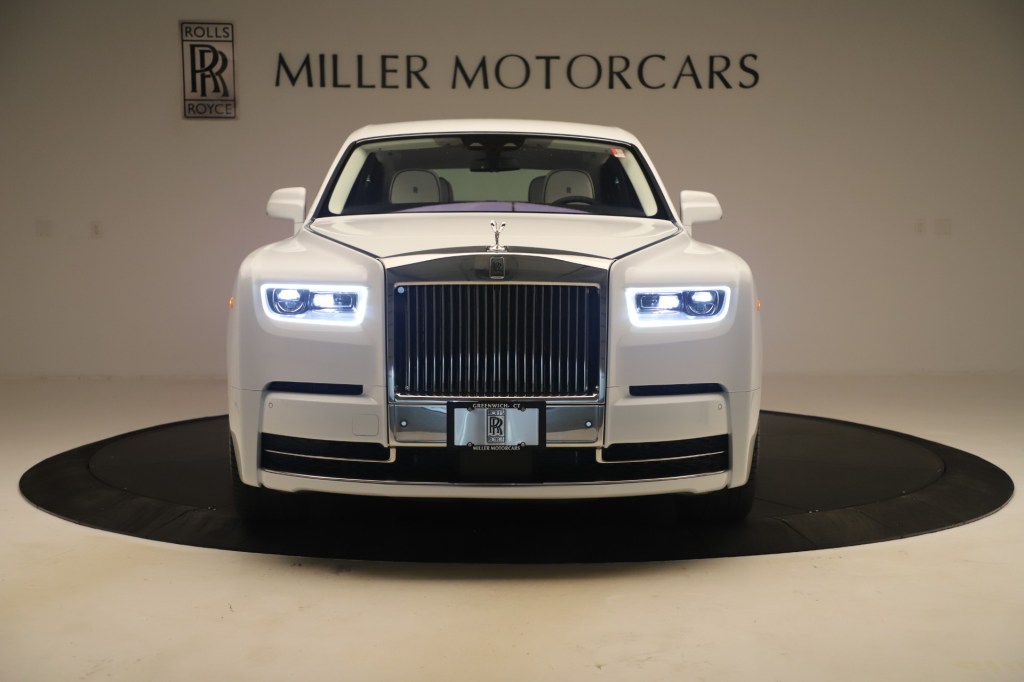
The Rolls-Royce Phantom VIII is a full-sized luxury saloon manufactured by Rolls-Royce Motor Cars. It is the eighth and current generation of the Rolls-Royce Phantom, and the second launched by Rolls-Royce under BMW ownership. The 2020 luxury saloon costs an exclusive $545,200.
SPECS
| INTERIOR | |
| Luggage capacity | 19.0 Cu.Ft. |
| Maximum cargo capacity | 19.0 Cu.Ft. |
| Standard seating | 5 |
| EXTERIOR | |
| FUEL | |
| Length | 227.2 “ |
| Body width | 79.4 “ |
| Body height | 64.8 “ |
| Wheelbase | 139.8 “ |
| Curb | 5,644 Lbs. |
| Fuel tank capacity | 23.8 Gal. |
| EPA mileage estimates | 12 City / 20 Hwy |
| PERFORMANCE | |
| Base engine size | 6.8 Liters |
| Base engine type | V-12 |
| Horsepower | 563 Hp |
| Horsepower rpm | 5,000 |
| Torque | 664 Lb-Ft. |
| Torque rpm | 1,700 |
| Drive type | Rear-Wheel |
| Turning radius | N/A |
Launch
The Phantom was unveiled by live-stream on 27 July 2020
It made its public debut at a special exhibition Rolls-Royce held in London two days later on 29 July. The event, dubbed “The Great Eight Phantoms”, took place at Bonhams auction house in Mayfair. The exhibition gathered a noteworthy Phantom from each generation, from Fred Astaire’s Phantom I to subsequent models driven by royalty, or made famous by celebrities, including John Lennon’s Romany gypsy wagon-style painted Phantom V.
Design
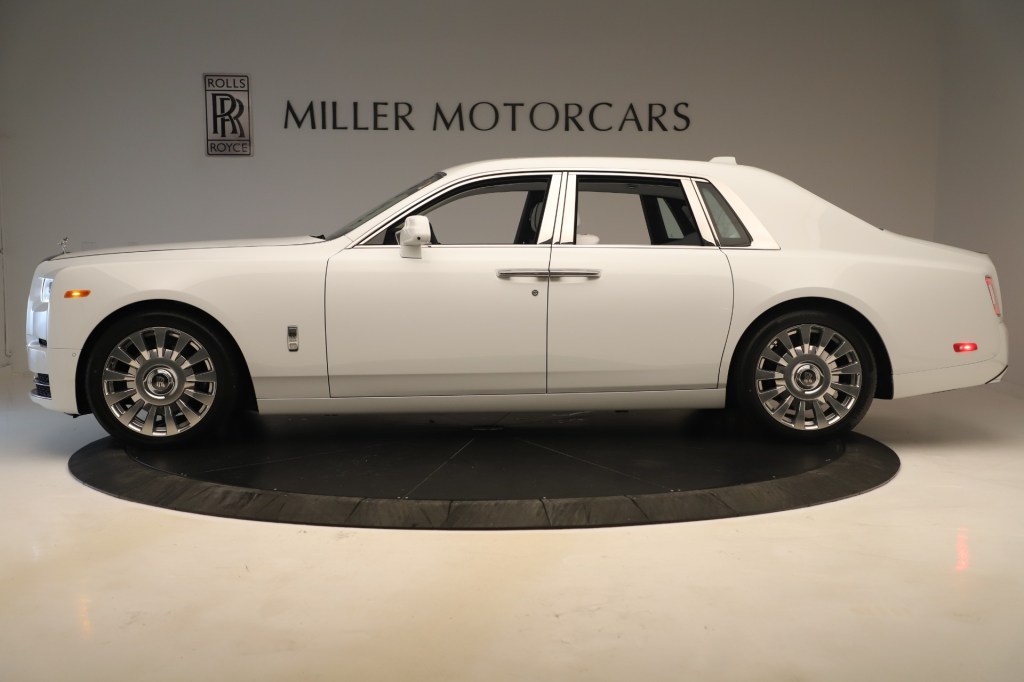
The Phantom VIII’s styling has been described as an evolution of the Phantom VII’s
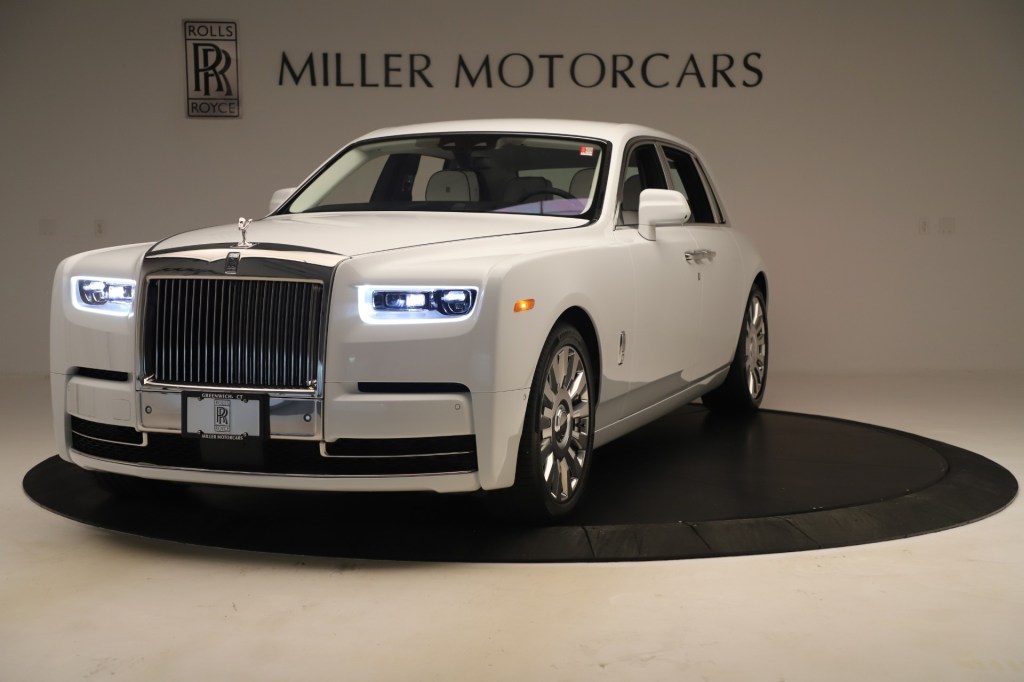
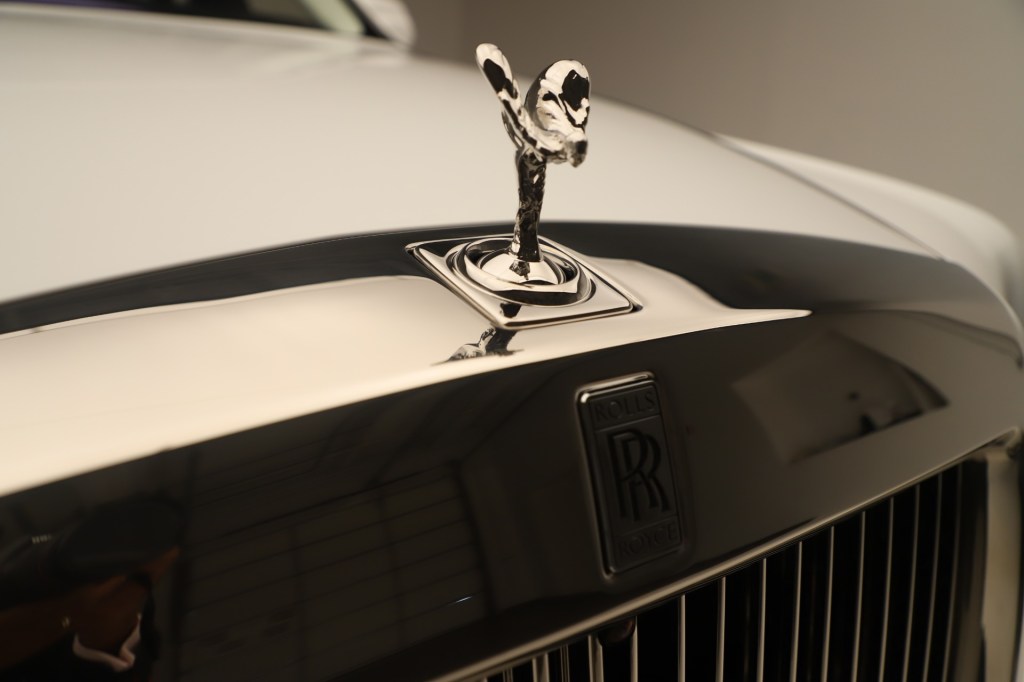
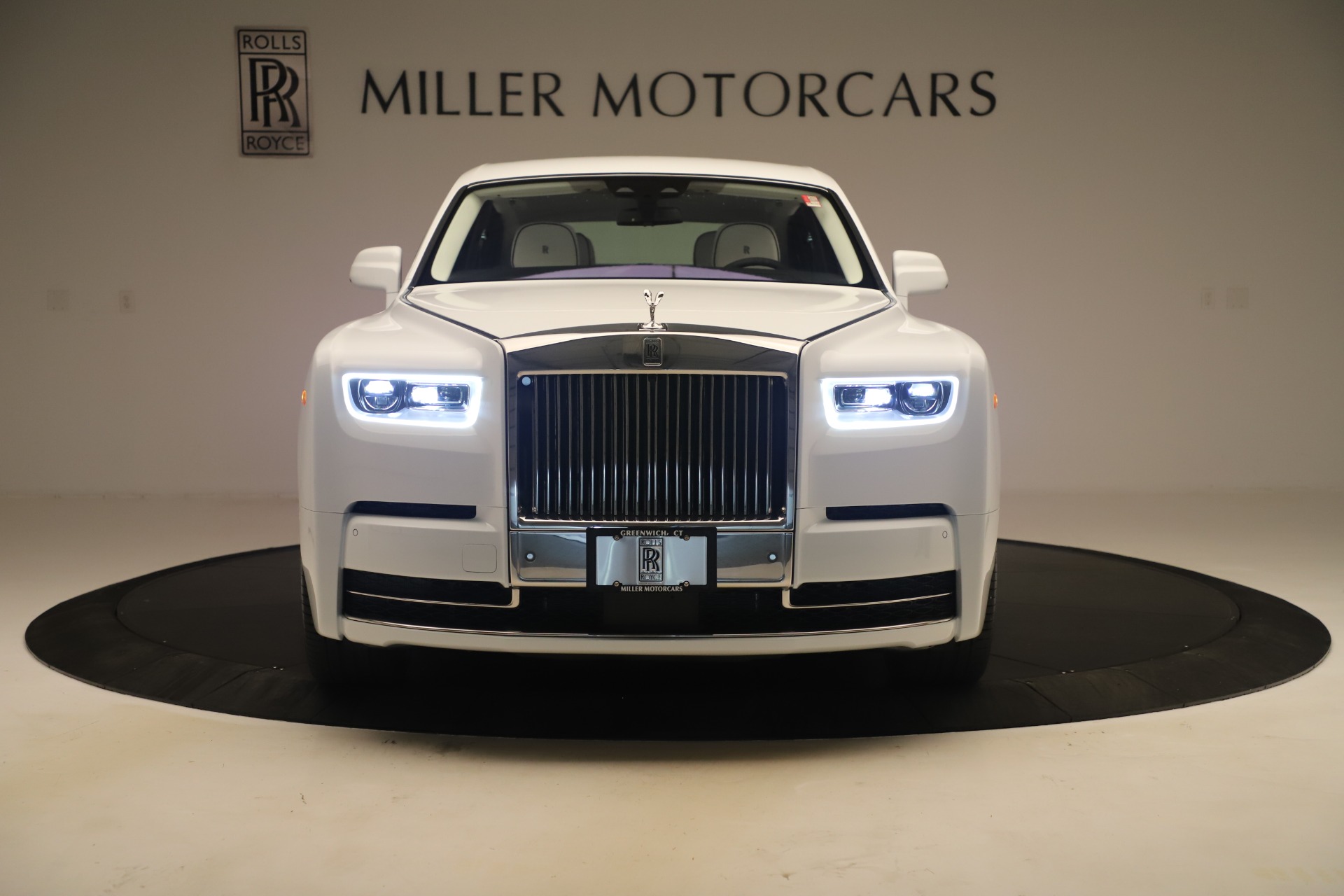
Like its predecessor, the Phantom VIII has a short front overhang and upright front end, a long bonnet and set-back passenger compartment as well as a long wheelbase and a flowing rear end. It also uses rear-opening “coach doors”. For the first time on a Phantom, Rolls-Royce’s trademark “Parthenon” radiator grille is integrated into the surrounding bodywork.The Phantom is available in two wheelbase lengths. The Phantom Extended Wheelbase (EWB) is 220 mm (8.7 in) longer than the standard wheelbase.
Specifications
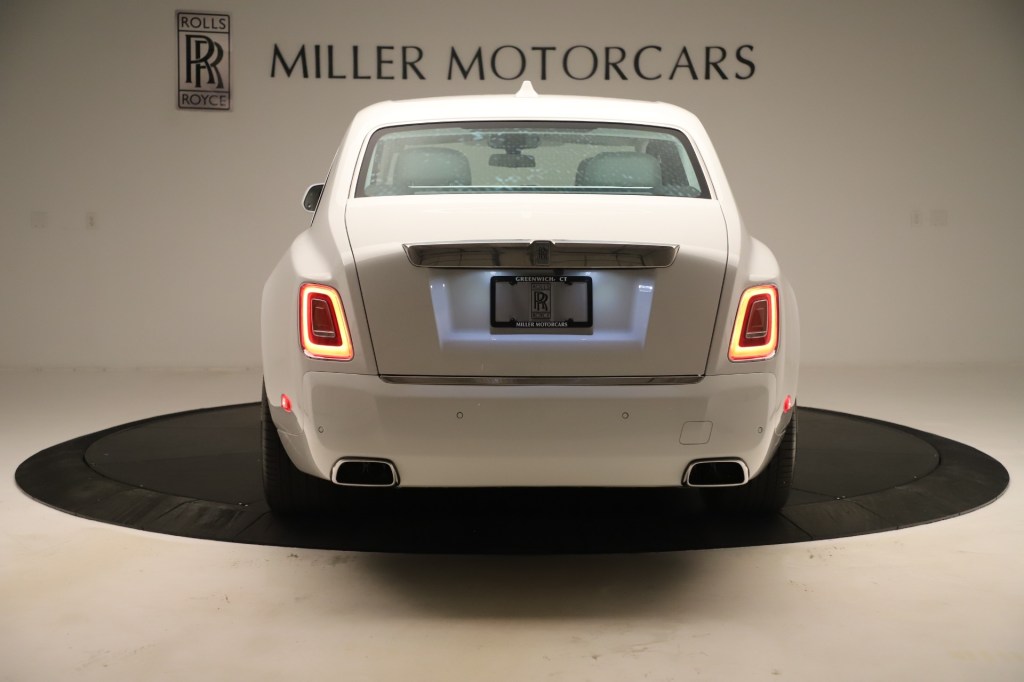
The Phantom uses an aluminium spaceframe chassis; this is a version of Rolls-Royce’s modular “Architecture of Luxury” platform. The Phantom is the first car to be based on this new platform, which will later be used by the Cullinan SUV and other future Rolls-Royce models.
Suspension and steering
The Phantom is fitted with self-levelling air springs and electronically controlled dampers front and rear. It uses a double wishbone front axle and a 5-link rear axle. It is also equipped with active anti-roll bars.
The suspension system is linked to a stereo camera mounted behind the windscreen. This scans the road ahead and preconfigures the spring and damper rates, and the anti-roll bars, so as to improve ride quality. The system, dubbed the “Flagbearer” by Rolls-Royce, operates at speeds of up to 100 km/h (62 mph).
The Phantom is the first Rolls-Royce to be fitted with four-wheel steering. The system turns the rear wheels counter to the front wheels through a maximum of 3° at speeds lower than 60 km/h (37 mph) to improve manoeuvrability. Between 60 and 80 km/h (37 and 50 mph) the rear wheels do not steer at all. At speeds above 80 km/h the rear wheels turn in the same direction as the front wheels through a maximum of 1° to increase high-speed stability.
The Phantom uses “Silent-Seal” tyres which Rolls-Royce co-developed with Continental. These use a layer of foam inside the tyre to reduce tyre cavity noise, lowering sound levels in the cabin by up to 9 decibels.
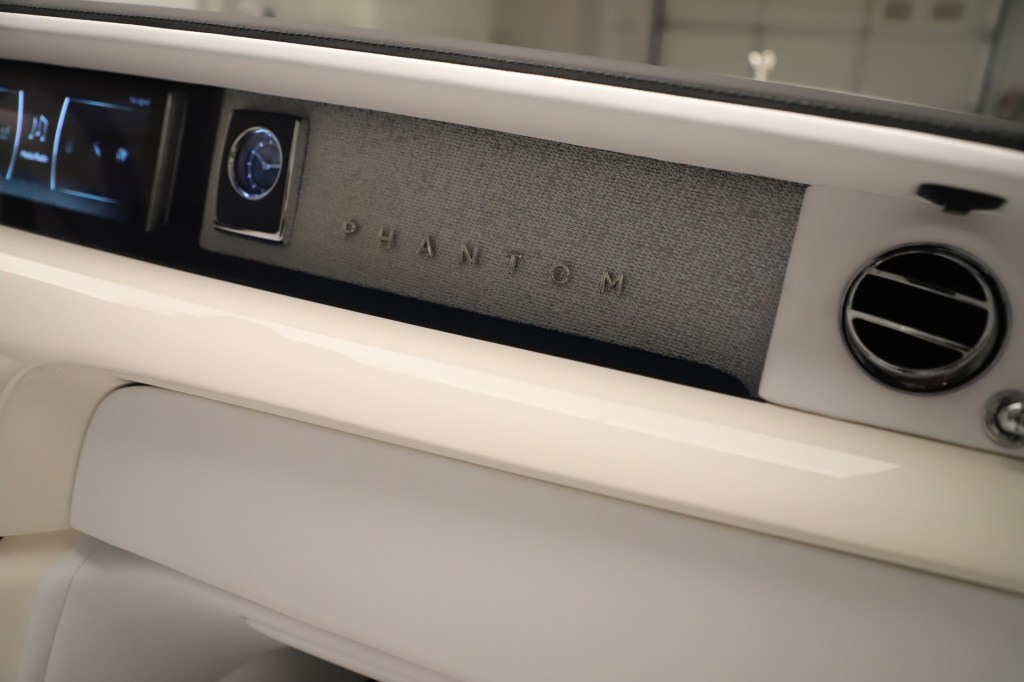
Interior
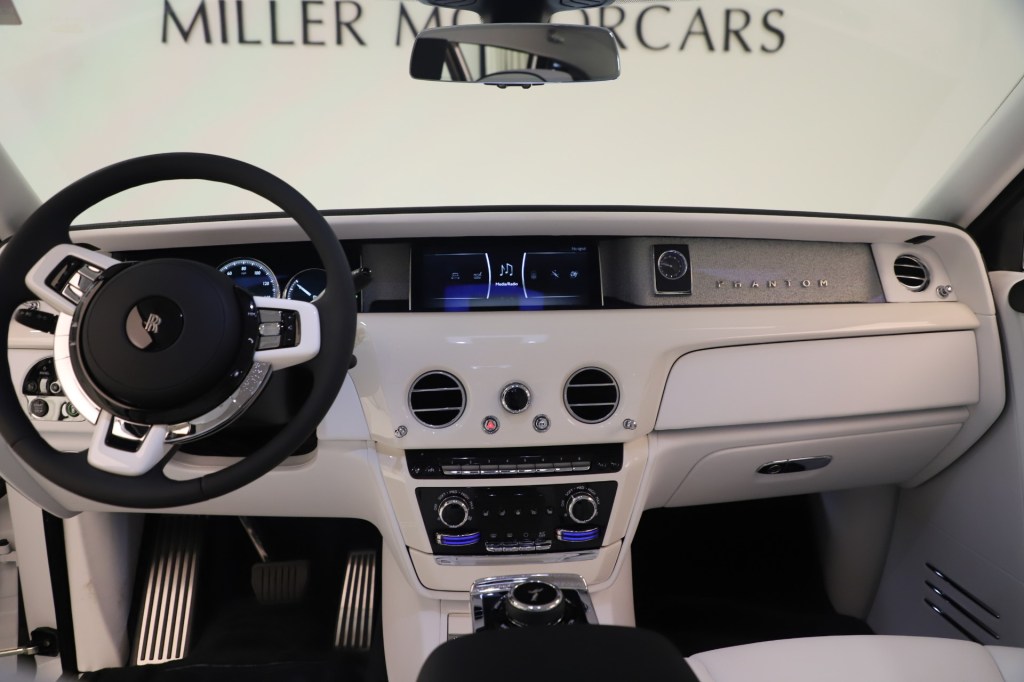
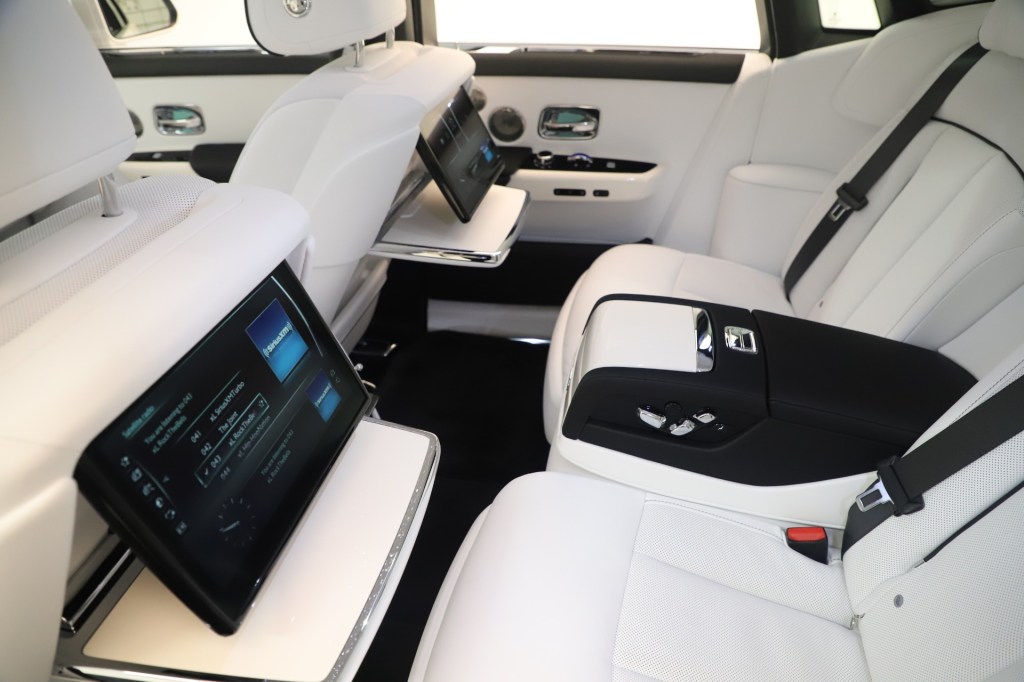
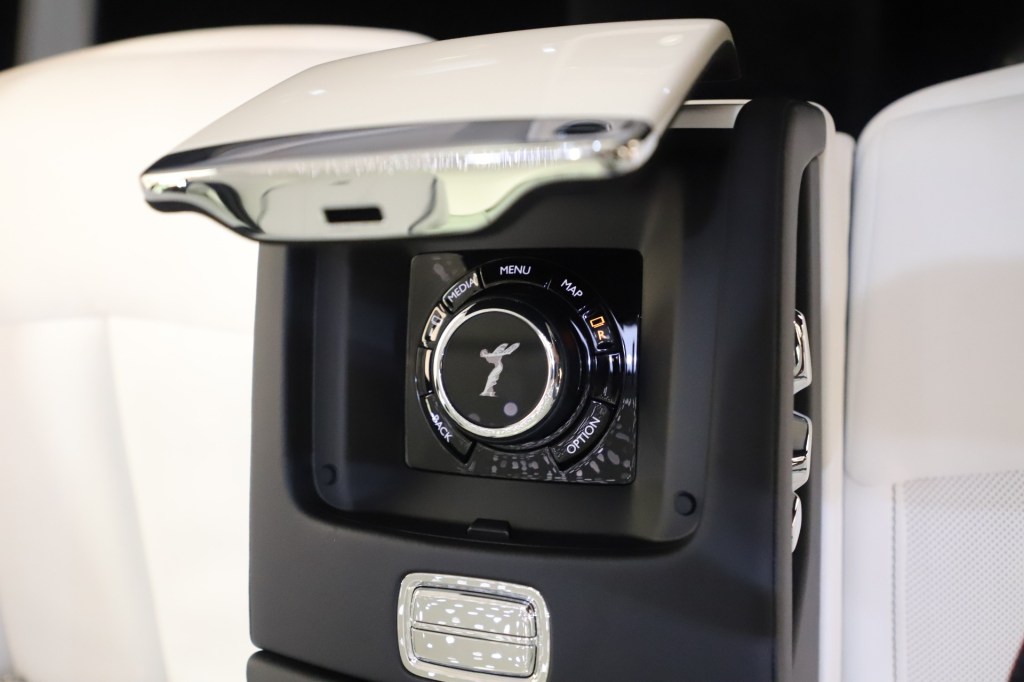
The interior is fully bespoke and personalised to the clientele like previous and current Rolls Royce models offer. They also have “The Gallery”, a display section in the vehicle in the front seat veneer with experimentation of different materials and artwork to be integrated with the vehicle and all the options are limitless.
Powertrain
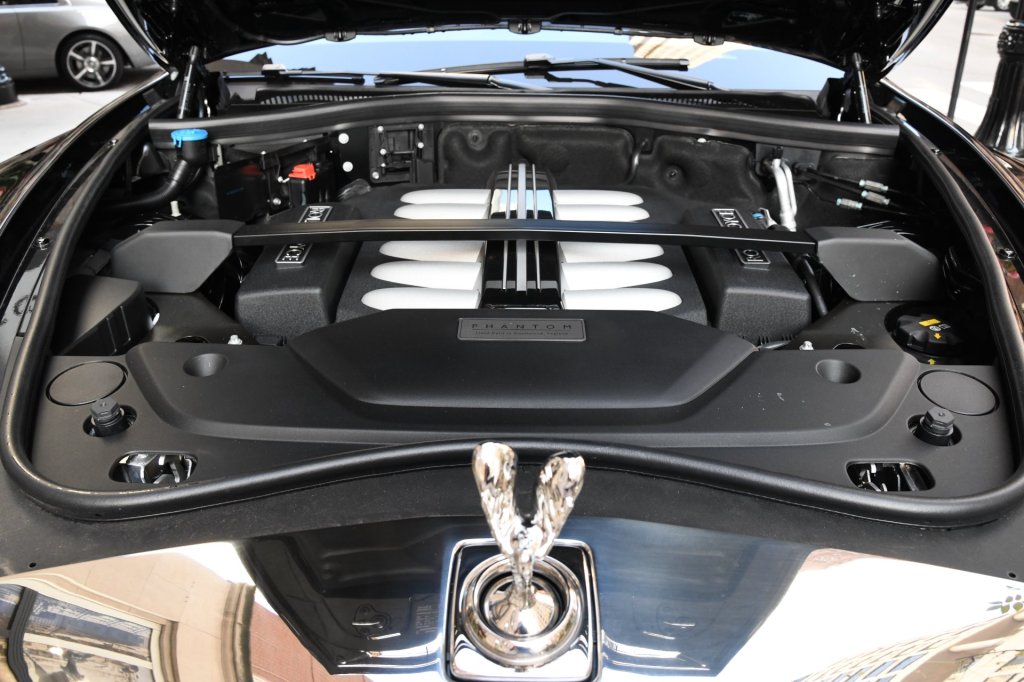
The Phantom is exclusively available with a twin-turbocharged 6.75-litre V12 engine. This is a variant of BMW’s N74 called the N74B68 which is unique to the Phantom. ZF’s8HP 8-speed automatic transmission is the sole gearbox option. This is linked to a GPS receiver which analyses the car’s location and speed to optimize shift timing.
 BADMOS SUPER AUTO INFO